Work Visa – Travel Abroad through the Canada, US, UK and Australia Work Visa
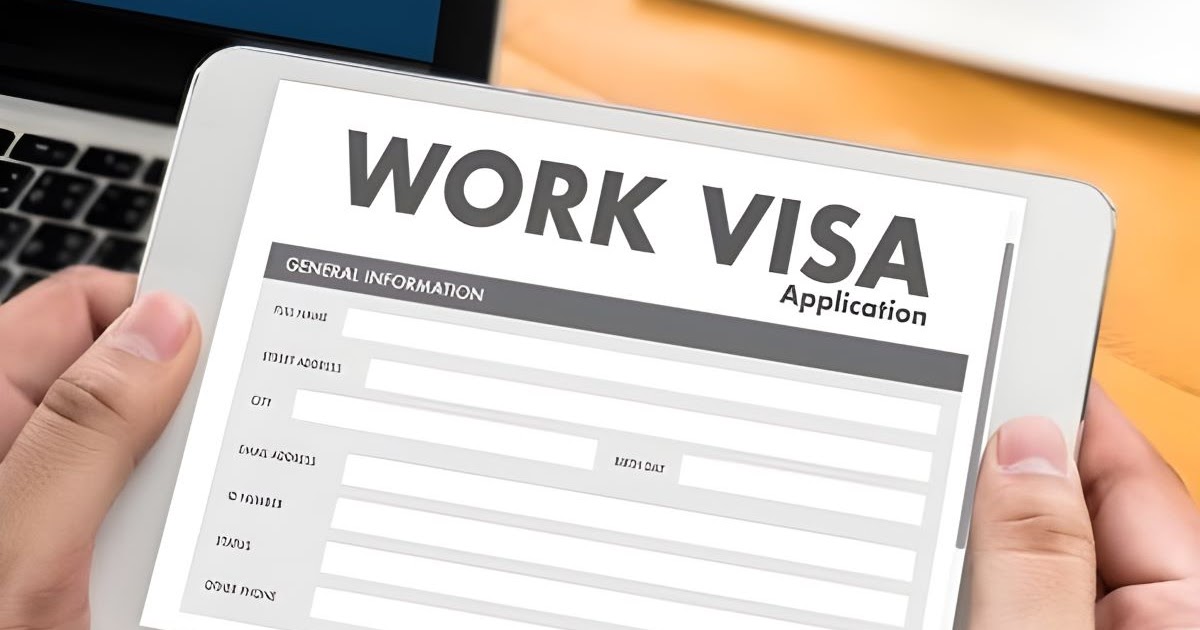
If you have ever imagined waking up in a new city, building your career in an international company, and enjoying the freedom to live and work abroad, the work visa is often the bridge that makes that dream possible. It is not just a piece of paper; it is a doorway to opportunity, growth, and a life filled with new experiences.
As global economies rebuild and demand for skilled professionals surges, countries are opening their borders wider than ever before. From healthcare workers in Canada to software engineers in Germany, to educators in the Middle East, skilled talent has become the lifeblood of modern economies. This is the perfect moment to take that leap and explore how you can secure a work visa that leads to both professional success and personal fulfillment.
This guide breaks down the entire process. You will learn why the work visa route is one of the smartest paths to relocation, which countries are leading the way in attracting foreign professionals, and what practical steps can help you get approved faster and settle confidently abroad.
Why the Work Visa Route Makes Sense
Many people think moving abroad is limited to students or tourists, but the work visa route stands out for one simple reason: stability. It connects you directly with an employer, gives you financial independence, and sets you on a clear path toward permanent residency.
Direct Employment Opportunities
Unlike short-term visas, a work visa immediately links you to a legitimate employer. You start your journey abroad with a job in hand, which means income security and a smoother adjustment to your new environment. You are not searching for work after arrival; you already have a defined role and an organization that needs your skills.
A Pathway to Permanent Residency
For many, the work visa is the first chapter of a long-term story. Most countries structure their immigration systems so that temporary workers can eventually become permanent residents or even citizens. This means that your career abroad can grow into a permanent life if you wish.
Global Career Growth
Working in a different country adds instant value to your professional profile. You learn how global industries operate, meet experts from around the world, and gain international exposure that makes you stand out anywhere. Whether you later return home or continue abroad, this experience reshapes your career trajectory forever.
Family Sponsorship Opportunities
Relocation is more fulfilling when your loved ones can share it with you. Many work visas allow dependents such as spouses and children to join you. This makes the entire experience less isolating and more sustainable over the long term.
Top Countries for Work Visas
Choosing where to work abroad is not just about where you would like to live; it is about where your skills are most. Some countries have built their economies around attracting skilled professionals. Let’s look at a few that consistently top the list.
Canada
Canada remains one of the most welcoming destinations for foreign workers. Through its Express Entry system and Provincial Nominee Programs, the country actively invites skilled professionals in industries like information technology, healthcare, and engineering. Programs like the Global Talent Stream fast-track applications for qualified candidates, allowing entry within weeks instead of months. Canada’s inclusive policies, stable economy, and multicultural society make it ideal for both individuals and families seeking long-term settlement.
Germany
Germany’s Skilled Worker Immigration Act has completely transformed how international professionals access the European job market. The country is looking for engineers, technicians, healthcare workers, and IT experts. A key advantage is that once you secure a work visa, you gain access to the entire European Union’s network of opportunities. Learning basic German improves your prospects, but the system itself is built to accommodate international applicants.
Australia
Australia’s Skilled Migration Program is one of the clearest and most transparent in the world. Its points-based system rewards education, work experience, and language proficiency. The country consistently faces shortages in fields like healthcare, construction, and information technology. Beyond career opportunities, Australia offers an excellent quality of life, diverse communities, and straightforward routes to permanent residency.
United Kingdom
The UK’s Skilled Worker visa allows foreign professionals to take up jobs offered by licensed sponsors. The system prioritizes applicants in high-demand fields like nursing, teaching, and software development. Once you have a Certificate of Sponsorship from your employer, you can apply for the visa and begin working legally in the UK. It is also a strong gateway to long-term residence for those who remain employed over several years.
United States
The United States continues to attract talent from every corner of the world. The H1B visa is the most sought-after work visa for professionals in IT, science, and engineering. Other options, like the L1 for intracompany transfers or the O1 for individuals with extraordinary ability, give professionals at different levels a chance to work in one of the world’s most dynamic economies. Though competitive, the US offers unmatched career growth and global recognition.
How to Obtain a Work Visa
Applying for a work visa involves several steps, but once you understand the process, it becomes predictable and manageable. Preparation is everything.
Identify In-Demand Skills
Before anything else, research the skills that are currently in demand in your chosen country. Governments often publish occupation shortage lists that highlight where foreign talent is needed most. Matching your experience with these roles increases your approval odds significantly.
Get a Job Offer or Sponsorship
Most work visas require you to have a formal job offer from a registered employer. This step can take time, but platforms like LinkedIn, Indeed, or professional recruitment firms can connect you to verified employers abroad. A legitimate offer is your strongest foundation for a successful application.
Prepare Your Documentation
Documents are the backbone of your visa application. You will need a detailed resume, academic certificates, proof of work experience, professional licenses, reference letters, and evidence of your job offer. Some countries also ask for proof of language proficiency or financial stability.
Submit the Application
Apply only through the official immigration website of your destination country. Fill out all forms accurately, pay the application fees, and double-check every section before submission. Errors in forms or missing details are among the most common reasons for rejection.
Attend Interviews or Tests if Needed
Certain work visas require additional assessments such as interviews, technical evaluations, or background checks. Treat these as professional opportunities to demonstrate your competence and readiness to contribute.
Receive Your Visa and Prepare to Travel
Once approved, confirm the validity dates, visa conditions, and entry requirements. Plan your travel and research the living standards, transportation, and work culture of your destination country. Preparation at this stage will save you stress later.
How to Increase Your Chances of Visa Approval
The key to a successful application is to approach it like a project. Every detail matters, and small improvements can make a big difference.
Customize Your Resume
Adapt your resume to match the expectations of employers in your target country. Focus on measurable results, use clear formatting, and emphasize international experience or certifications that align with the role.
Strengthen Your Language Skills
Language proficiency is more than just communication; it shows adaptability. Learning the primary language of your destination, whether it is English, German, or French, can set you apart and make you a more appealing candidate.
Use Professional Networks
Your network can open doors that job boards cannot. Reach out to recruiters, join professional associations, and engage in online forums. Networking also helps you understand the local hiring culture and salary expectations.
Stay Updated on Policy Changes
Immigration regulations are dynamic. Governments adjust quotas, eligibility criteria, and documentation requirements regularly. Staying informed ensures you never miss an opportunity due to outdated information.
Why Work Visas Matter
The modern labor market has shifted. Since the global pandemic, remote work and digital transformation have redefined how companies hire. Skilled workers are no longer confined by geography; they are now part of an interconnected global talent pool.
This is where the work visa plays a crucial role. For many countries, it is a key tool for rebuilding industries and filling labor shortages. For individuals, it is a chance to enter markets that value specialized skills and offer long-term rewards.
Professionals from developing regions now have unprecedented access to opportunities that were once out of reach. Whether you are a recent graduate or a seasoned expert, the world has never been more open to talent.
Industries with High Global Demand
Not all industries are equal when it comes to immigration opportunities. Some consistently face labor shortages and rely heavily on foreign professionals.
Information Technology
Software developers, cybersecurity specialists, and cloud engineers are in high demand in the United States, Canada, and across Europe. As companies expand their digital infrastructure, IT skills continue to command global relevance.
Healthcare
Nurses, doctors, and allied health professionals remain among the most sought-after workers worldwide. Aging populations in Canada, Germany, and the United Kingdom have made healthcare recruitment a national priority.
Engineering
Infrastructure, energy, and transportation projects require skilled engineers. Countries like Australia and Germany regularly list civil and mechanical engineering among their highest-need professions.
Construction and Skilled Trades
From electricians to heavy machinery operators, construction professionals are essential in fast-growing economies. Nations like New Zealand, the UAE, and Canada frequently sponsor workers in these trades.
Education and Training
As global student populations expand, there is a rising demand for teachers, lecturers, and education consultants. This is especially true in Asia and the Middle East, where English language education is booming.
Logistics and Supply Chain
E-commerce and global trade rely on logistics professionals to keep goods moving efficiently. Positions in transport management and warehouse coordination are consistently in demand.
Beyond the Job: Additional Benefits of a Work Visa
A work visa offers more than employment. It opens access to a range of privileges that make living abroad easier and more rewarding.
Many countries extend healthcare, pension, or unemployment support to foreign workers. Others allow access to affordable education for dependents. Some offer points-based systems that lead directly to permanent residency after a few years of consistent employment.
For ambitious professionals, a work visa can even lead to entrepreneurship. After building experience, some workers transition into investor or business owner visas, turning their local knowledge into long-term ventures.
Common Challenges and How to Overcome Them
Relocating is rewarding but rarely simple. Here are a few obstacles and how to handle them effectively.
Credential Recognition
Your degree or certification might not automatically qualify you to work abroad. Contact professional licensing bodies early to understand requirements. Some countries allow bridging programs or exams to verify your skills.
Cultural Adjustment
Cultural differences in communication, punctuality, and hierarchy can be surprising at first. Embrace them as learning opportunities. Join expatriate groups, attend cultural workshops, and stay open-minded.
Visa Delays or Rejections
Sometimes, even strong applications face delays. Always keep backups of important documents, verify information twice, and apply early to avoid last-minute complications.
Life After Visa Approval
Securing the visa is a milestone, but settling abroad requires practical steps.
Review your job contract to confirm your salary, benefits, and responsibilities. Arrange accommodation before arrival and understand your new city’s transportation options. Open a bank account and familiarize yourself with local taxes.
If you are relocating with family, check the schooling options and dependent visa requirements. Many governments offer pre-departure orientation programs to help new arrivals adapt faster.
Building Long-Term Success Abroad
Success abroad is about more than career advancement. It is about integration, growth, and sustainability.
Continue improving your skills through professional training. Join local associations, participate in networking events, and give back to your community. Keep track of your visa validity and start renewal processes early. Follow the law and build a positive record it can make your path to permanent residency much smoother.
My Conclusion
The work visa is more than an administrative requirement. It is a gateway to transformation a chance to redefine your career and your life on a global stage. With the right preparation, documentation, and attitude, it can open doors to stability, financial growth, and international experience.
The process requires effort, but the rewards are extraordinary. By researching target countries, matching your skills to in-demand roles, and approaching the process with patience and clarity, you can turn ambition into achievement. The world is looking for skilled professionals, and your next chapter might just begin with one successful visa application.