How You Can Relocate To Europe – Visa, Housing, Work, and Lifestyle

Relocating to Europe is no longer just an idea people talk about casually. For many, it has become a deliberate life strategy driven by economic stability, access to global job markets, quality education, reliable healthcare, and long-term security. Europe offers all of these, but the process of moving there permanently requires more than ambition. It requires structure, patience, and a clear understanding of how Europe actually works. If you are looking to relocate to Europe, understanding these aspects is crucial.
Europe is not a single destination. It is a network of countries connected by shared agreements but governed by individual immigration systems. What works in Germany may not apply in Spain. A visa route that is simple in Portugal may be complex in France. This is why many relocation plans fail, not because Europe is inaccessible, but because people approach it without a full picture.
This guide exists to give you that picture. It is written as a pillar page, meaning it serves as the central reference point for every Europe-related relocation topic you will explore. From visas and residency to work, study, housing, and daily life, this page connects everything so you can plan with confidence.
If you are ready to relocate to Europe, this guide will help you navigate the complexities of your move.
Europe Visa and Residency Options
Every successful relocation to Europe begins with legal entry and lawful stay. Your visa determines what you can do, how long you can stay, and whether you can transition into residency later. Understanding this early saves time, money, and frustration.
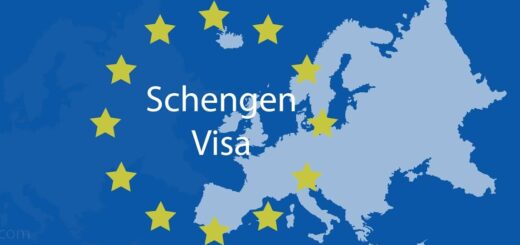
How to Apply for a European Schengen Visa
For many people, the Schengen visa is the first point of contact with Europe. It allows short-term travel across most European countries for tourism, business meetings, conferences, and family visits. While it does not allow employment or long-term residence, it plays a strategic role.
Many future residents first enter Europe on a Schengen visa to attend job interviews, university open days, professional conferences, or exploratory visits. This early exposure helps narrow down the country that best fits your goals.
Future subpost ideas here include a full Schengen visa application guide, common reasons for Schengen visa refusal, and how to move from a Schengen visit to a long-term visa legally.
Easiest Countries in Europe to Get Residency
Not all European countries have the same immigration barriers. Some actively design policies to attract students, workers, and long-term residents, making them ideal entry points into Europe.
Studying in the Czech Republic remains one of the most straightforward ways to obtain legal residence. International students benefit from clear residence permit rules, affordable living costs, and the ability to transition into work permits after graduation.
Portugal has built a reputation as one of the most immigrant-friendly countries in Europe. Students, digital nomads, and job seekers often find Portugal flexible, transparent, and welcoming. Many people begin with study or temporary residence and later qualify for permanent residency.
Poland offers another strategic pathway. With low tuition fees, growing industries, and relatively affordable cities, Poland allows students and workers to establish themselves while building experience within the European Union.
Some unconventional routes also exist, such as sports trials, cultural exchange programs, and international conferences. While these paths require careful legal planning, they often open doors to networks that lead to formal employment or academic placements.
Additional subposts that fit naturally here include country-by-country residency comparisons, fastest residency pathways in Europe, and common mistakes people make when choosing an entry country.
How to Get Permanent Residency in Europe
Temporary residence is often the first step, but permanent residency is where long-term stability begins. Permanent residency allows you to live and work without restrictions, access public services, and enjoy stronger legal protections.
Most European countries require five to ten years of continuous legal residence. During this period, you must maintain valid permits, demonstrate stable income, comply with tax laws, and integrate into society. Language proficiency and civic knowledge are often part of the process.
Permanent residency does not mean citizenship, but it places you much closer to it. Many people remain permanent residents for years, enjoying nearly all the benefits of citizens without the need to change nationality.
Subpost opportunities include timelines for permanent residency by country, differences between permanent residency and citizenship, and how to avoid losing permanent residency status.
EU Blue Card Explained
For highly skilled professionals, the EU Blue Card is one of the strongest relocation tools available. It is designed for individuals with recognized qualifications and job offers that meet salary thresholds.
The Blue Card offers long-term residence, family reunification rights, and easier movement between EU countries. It is particularly attractive to professionals in technology, engineering, healthcare, finance, and research.
One major advantage of the Blue Card is mobility. After a certain period, holders can move to another EU country and continue their careers without starting the immigration process from scratch.
This section naturally supports future posts such as EU Blue Card salary requirements by country, professions that qualify for the Blue Card, and Blue Card versus national work permits.
Family Reunification Visas in Europe
Relocation is rarely a solo decision. Europe recognizes this by offering family reunification visas that allow residents to bring close family members.
Once you hold a valid residence permit, most countries allow you to sponsor your spouse and children. Requirements usually include proof of income, adequate housing, and valid health insurance.
Family members who arrive through reunification often gain the right to work or study, making integration smoother and more sustainable. This is especially important for long-term settlement.
Future subposts can cover family reunification requirements by country, timelines, and how family visas affect permanent residency eligibility.
Digital Nomad Visas Across Europe
Digital nomad visas have reshaped how people relocate to Europe. Countries such as Portugal, Spain, Croatia, Estonia, and Greece now offer legal residence to remote workers earning income from outside the country.
These visas allow individuals to live legally, open bank accounts, access healthcare, and rent long-term accommodation without competing for local jobs. For freelancers and remote employees, this is one of the most flexible ways to live in Europe.
Digital nomad visas also serve as stepping stones. In some countries, they can lead to longer-term residency options after several years.
Subpost ideas include country comparisons for digital nomads, tax implications, and how digital nomad visas differ from work permits.
Work and Jobs in Europe
Employment remains one of the most common reasons people relocate to Europe. The continent offers structured labor markets, strong worker protections, and competitive wages in key sectors.
Germany, the Netherlands, Sweden, Ireland, and Denmark consistently rank among the best destinations for skilled workers. These countries face labor shortages and actively recruit international professionals.
High-paying jobs are common in information technology, engineering, healthcare, data science, renewable energy, and finance. Many multinational companies operate in Europe and use English as their primary working language.
Applying for a work permit typically requires a job offer. In many cases, the employer sponsors the application, while the employee submits qualifications, experience records, and background checks.
Seasonal work also plays a role in Europe’s economy. Agriculture, tourism, hospitality, and logistics sectors regularly hire foreign workers for short-term roles. While these jobs are usually temporary, they provide legal entry and income.
English-speaking jobs are widely available in major cities such as Berlin, Amsterdam, Dublin, and Stockholm. Even without citizenship, legal residence permits allow immigrants to build stable careers.
Future subposts include best job boards for Europe, CV formats for European employers, interview expectations, and how to switch jobs legally after arrival.
Studying in Europe as a Long-Term Strategy
Education is one of the most reliable and structured pathways into Europe. Many European universities actively welcome international students and offer programs taught entirely in English.
Germany, Norway, and parts of France offer free or low-cost tuition at public universities. This makes Europe attractive to students seeking quality education without excessive debt.
Student visas usually allow part-time work, helping students support themselves while gaining local experience. After graduation, many countries allow graduates to remain and search for work, turning education into long-term residency.
Scholarships such as Erasmus Mundus, government grants, and university-funded awards further reduce financial barriers.
Subpost ideas include best courses for immigration prospects, student visa requirements by country, and transitioning from student to work permits.
Living in Europe Day to Day
Relocating successfully goes beyond paperwork. Daily life in Europe varies widely depending on location, but certain realities remain consistent.
Cost of living differs significantly. Western and Northern Europe tend to be more expensive, while Central and Eastern Europe offer more affordable lifestyles.
Cities such as Berlin, Lisbon, Amsterdam, Prague, Barcelona, and Warsaw attract immigrants due to job availability, infrastructure, and cultural diversity.
Housing can be competitive, especially in major cities. Early planning, verified listings, and flexibility are essential when searching for accommodation.
Healthcare is one of Europe’s strongest advantages. Legal residents typically gain access to public healthcare systems that are affordable and reliable.
Cultural adjustment takes time. Europeans value punctuality, work-life balance, and personal privacy. Learning the local language greatly improves integration.
Public transportation is efficient and affordable. Trains, buses, and budget airlines make regional travel easy and accessible.
Future posts can cover housing scams to avoid, healthcare registration steps, and cultural etiquette by country.
Move to Europe Guide: Practical Planning
Successful relocation depends on preparation. This includes gathering documents, securing accommodation, planning finances, and understanding legal responsibilities.
Choosing the right country depends on career goals, language comfort, family needs, and long-term residency options. Families must also plan for schooling and childcare.
Shipping personal belongings requires compliance with customs regulations. Many people choose to relocate light and purchase items locally.
Opening a bank account and getting a SIM card usually becomes possible once you register your address. These steps are essential for daily life.
Additional subposts here include relocation checklists, budgeting guides, and timelines for moving to Europe.
Final Thoughts on Relocating to Europe
Relocating to Europe is a serious but achievable goal. With the right strategy, clear information, and patience, Europe offers multiple legal pathways for students, professionals, families, and remote workers.
This pillar page is designed to anchor your Europe relocation content. Every section naturally supports detailed subposts, allowing you to build strong internal linking, topical authority, and long-term search visibility.